
Your paycheck arrives Friday, but by Monday the money already feels assigned to someone else. Rent, groceries, subscriptions, minimum debt payments, and a few unplanned purchases have absorbed the cash. You earn $4,200 per month, yet your credit card balance barely moves.
The envelope system and digital budgeting solve the same problem: they give each dollar a job before you spend it. The better choice for debt payoff is the system that makes overspending visible early enough to stop it. For most households, that means digital budgeting for bills and debt payments, with physical envelopes for the spending categories that cause the most trouble.
Which budgeting method works better for debt payoff?
Digital budgeting is the stronger default for debt payoff because it handles recurring bills, automatic transfers, and account balances in one place. Physical envelopes work better when the main problem is impulse spending in a few weekly categories.
Compare the control each method gives you
| Budgeting need | Envelope system | Digital budgeting |
|---|---|---|
| Weekly grocery limit | Put $150 in the grocery envelope | Set a $150 grocery category |
| Credit card payment | Requires a separate bank transfer | Can be scheduled for the due date |
| Cash spending feedback | Immediate; the envelope becomes empty | Requires checking the app or account |
| Online bills | Awkward because cash cannot pay most bills | Easy to track with recurring transactions |
| Risk of lost tracking | Receipts and cash balances can be missed | Transactions can be reviewed in one ledger |
Use the method that attacks your actual leak
If $300 disappears each month through takeout, shopping, or convenience-store purchases, cash creates a hard stopping point. Once the category is empty, spending stops. If the problem is missed due dates or irregular income, digital budgeting wins because it shows upcoming bills and keeps debt payments connected to the checking account.
A $500 extra payment matters only if the money survives the month. The method that protects that $500 is the right one.
Why digital budgeting wins for most debt plans

Pick digital budgeting first when your debt payoff depends on precise timing. A digital plan can assign $700 to minimum payments, schedule an extra $500 payment, and leave a defined amount for food, transport, and household needs; that visibility matters more than the novelty of the tool itself.
Digital tools handle fixed obligations better
Debt payments, rent, insurance, utilities, and subscriptions usually leave your bank account electronically. A digital budget places those expenses on the same timeline as your income. You can see that a $500 extra payment is safe only after setting aside the $1,850 in fixed bills, $950 in essential variable spending, and a $200 buffer. That simple sequence prevents a large payment from forcing new card spending two weeks later.
Cash wins when the problem is a spending reflex
Choose physical envelopes for categories where you spend without checking the plan. A weekly $90 dining envelope creates friction that an app alert may not create. Cash also works well for people who repeatedly move digital money between categories and then lose track of the original limit. The clear verdict is digital for the full debt plan, cash for one or two problem categories.
How to set up either method before making extra payments
Build the debt target before choosing the container for your spending. A budget method cannot repair a debt plan that ignores minimum payments, interest, irregular bills, or a basic emergency buffer.
Set the monthly numbers in this order
- List each debt, current balance, interest rate, minimum payment, and due date.
- Add take-home income from reliable sources only. Treat bonuses and overtime as extra money.
- Reserve housing, utilities, insurance, transportation, food, and medication first.
- Set aside a starter cash buffer of at least $500 before sending every spare dollar to debt.
- Choose one payoff target. Use the avalanche method for the highest interest rate or the snowball method for the smallest balance.
- Give every remaining dollar a job: extra debt payment, irregular expense, savings, or personal spending.
Test the plan for two pay cycles
Do not raise the extra payment after one unusually cheap week. Track two full pay cycles, including fuel, birthdays, annual fees, and grocery fluctuations. If the plan requires credit for normal expenses, lower the extra payment. A debt plan that sends $500 today and creates $400 of new card debt next month has failed.
What causes envelope and digital budgets to fail?

The method is rarely the real problem. The failure usually starts with a limit that does not match real life, followed by a quiet decision to ignore the limit.
What if the envelope runs out early?
Stop and identify the cause before moving money. If groceries cost $175 instead of the planned $150 because prices rose, increase the grocery category and reduce a lower-priority category. If the shortage came from restaurant spending, keep the limit and pause that category. Never borrow from the debt-payment category without recording the change, because an unrecorded transfer hides the cost of the mistake.
What if the digital balance looks wrong?
Reconcile the budget with the bank balance at least once each week. Pending card transactions, refunds, duplicate imports, and transfers between accounts can distort the available amount. Digital tools do not prevent a declined payment or stop a person from spending beyond the plan. They only make the decision easier to see. The best safeguard is a weekly ten-minute review that checks available cash, bills due within fourteen days, and the next debt payment.
Which digital tools and hybrid setup make sense?
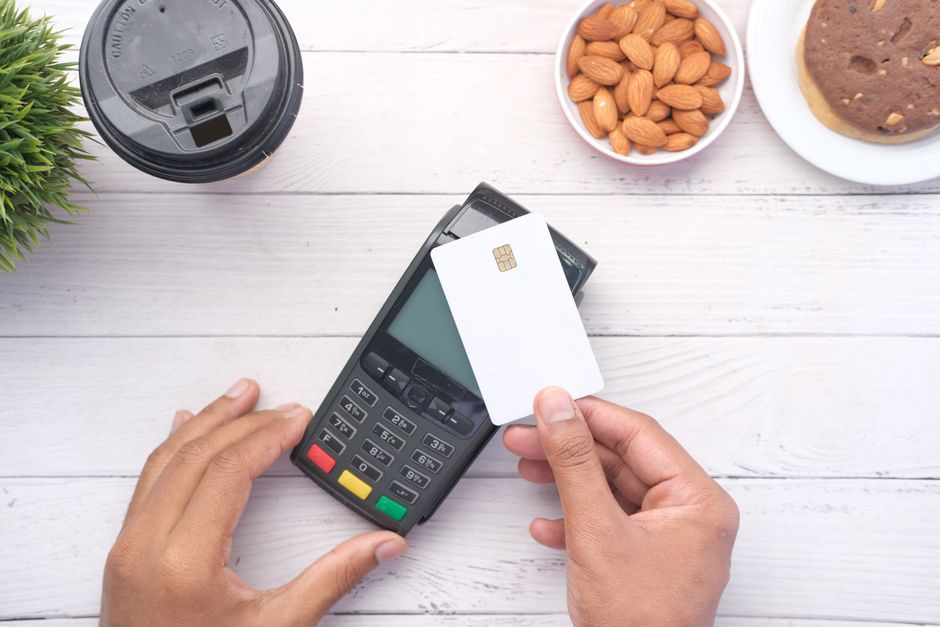
Use a hybrid system when you need digital accuracy and physical spending friction. The cleanest setup keeps income, bills, debt balances, and scheduled payments in a digital budget, then uses cash for the categories that repeatedly break the plan.
Match the tool to the budgeting style
YNAB uses a four-rule, zero-based workflow that assigns available money to categories before future income arrives. It suits people who want active decisions and frequent updates. EveryDollar uses a monthly line-item plan, making it a straightforward choice for someone who wants income minus planned spending to reach zero. Goodbudget mirrors physical envelopes with digital category balances and scheduled transactions, so it fits households that like the envelope idea but rarely carry cash. Actual Budget uses envelope categories and offers a local-first approach, which appeals to people who want more control over where their budget data is stored.
These tools are not debt strategies by themselves. Any of them can support an avalanche or snowball plan. The winning choice is the one you will check before spending, not the one with the longest feature list.
Know when not to use a physical envelope
Do not use cash for rent, online debt payments, automatic bills, or purchases that require a card. It adds unnecessary handling and can make records harder to verify. Keep those obligations digital. Use physical envelopes only for flexible categories such as dining, entertainment, clothing, or small household purchases.
For most debt payers, the practical answer is simple: schedule every minimum and extra payment digitally, keep a small buffer, and put a cash limit on the one category that drains the most money. That arrangement makes progress measurable without asking the entire household to change how every dollar is spent.
Disclaimer: The information on this page is for educational purposes only and does not constitute financial advice. Rates, terms, and eligibility requirements are subject to change. Always compare multiple lenders and consult a licensed financial advisor before borrowing.