
Most teen budgets fail before the first month ends. Not because teens are bad with money — because most advice assumes you have a mortgage and car payment. You don’t. Here’s what actually works when you’re 16, working 15 hours a week at Chipotle, and trying to save for a car or college.
Why the 50/30/20 Rule Doesn’t Work for Teens
The classic 50/30/20 budget (50% needs, 30% wants, 20% savings) was designed for adults with rent and utility bills. For a teen living at home, your “needs” category is basically zero. That’s a problem.
When you have no fixed expenses, the 50/30/20 rule leaves you with 80% of your money unallocated. That’s a recipe for spending everything on DoorDash and video games.
The 80/20 Rule for Teens
Here’s a better split:
- 20% to savings — This is non-negotiable. Put it somewhere you can’t touch easily.
- 80% to spending — But with a catch: you track every dollar.
A teen at 16 with a part-time job earning $200 per week should move $40 to savings immediately. The remaining $160 is yours to spend, but you need to know where it goes. After one month, most teens discover they’re spending $60-80 on fast food alone.
When to Ignore the 80/20 Split
If you have a specific goal — buying a car, saving for a school trip, or building a college fund — flip the ratio. Save 50%, spend 50%. It’s painful for 6 months, but you’ll hit that goal twice as fast.
The Envelope System: The One Method That Actually Stops Overspending
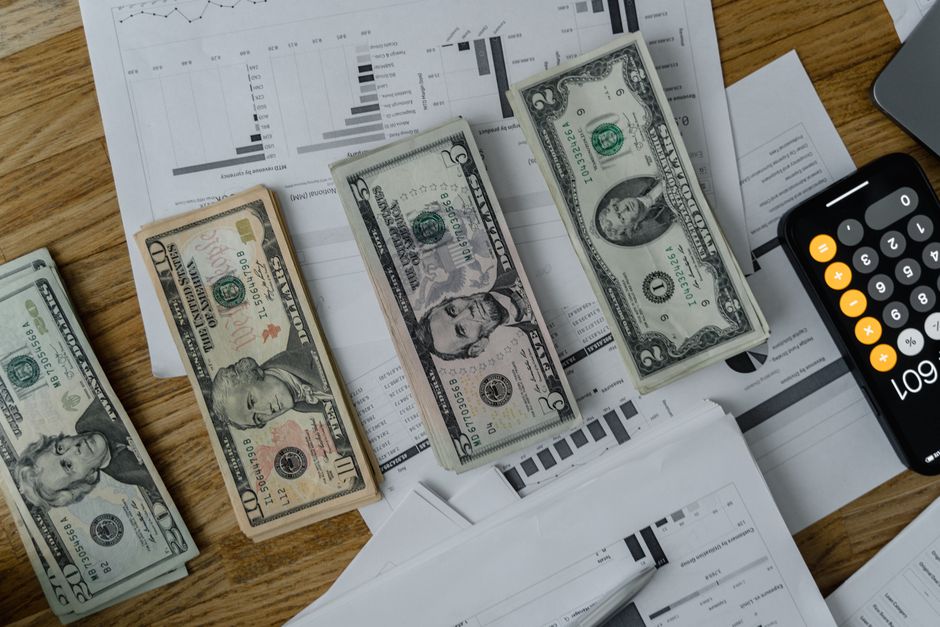
Digital money is invisible. You swipe a card and the money disappears without you feeling it. Cash is different. Handing over twenty dollars hurts in a way that tapping your phone doesn’t.
The envelope system works because it forces you to see your limits physically.
Here’s exactly how to set it up:
- Get 4 envelopes. Label them: Savings, Fun, Food, and Stuff.
- On payday, withdraw your spending money in cash.
- Split the cash into the envelopes based on your plan.
- When an envelope is empty, that category is done until next payday.
A teen earning $160 per week in spending money might split it: $40 Fun, $60 Food, $60 Stuff. The Stuff envelope covers everything from phone chargers to movie tickets.
This method fails if you cheat. Don’t pull money from Savings because you want pizza. That’s the whole point.
| Category | Weekly Amount | Monthly Total |
|---|---|---|
| Savings (non-negotiable) | $40 | $160 |
| Fun (hanging out, games) | $40 | $160 |
| Food (eating out, snacks) | $60 | $240 |
| Stuff (random purchases) | $60 | $240 |
The One Mistake That Wipes Out Every Teen Budget
It’s not buying Starbucks. It’s not buying sneakers. It’s subscription creep.
One subscription costs $10. Two cost $20. Before you notice, you’re paying $60 per month for Spotify, Netflix, Discord Nitro, iCloud storage, and a gym membership you never use. That’s $720 per year gone.
How to Stop Subscription Creep
Once every 3 months, open your bank statement and highlight every recurring charge. You’ll find at least one subscription you forgot about. Cancel it immediately.
Real example: A 17-year-old I talked to was paying $14.99 for Apple Music, $9.99 for iCloud, and $11.99 for a gaming subscription. That’s $37 per month — nearly $450 per year. She canceled the gaming subscription she hadn’t touched in 4 months and saved $144.
Debit Card Danger
Debit cards make you feel like you have unlimited money until you hit zero. The fix: use a prepaid card or a separate checking account with a low limit. The Greenlight card ($4.99/month) lets parents set spending limits, but you can also just open a free student checking account at a local credit union and transfer only your weekly budget into it.
How to Save for Big Goals Without Feeling Deprived

Saving for a car or college feels impossible when you’re earning $200 per week. The trick isn’t saving more — it’s making your money work harder.
Here’s a strategy that works: Save your first $500 in a regular savings account. Once you hit $500, open a high-yield savings account at a bank like Ally or Capital One. These accounts pay around 4% APY in 2026, compared to 0.01% at most brick-and-mortar banks.
On $500, that’s $20 per year in interest versus 5 cents. Not life-changing, but it builds the habit of letting your money earn money.
The 24-Hour Rule for Big Purchases
Want to buy something over $50? Wait 24 hours. Put it in your phone’s notes app. The next day, if you still want it, buy it. Most of the time, the urge passes. This one rule saved me from buying a $120 hoodie I didn’t need.
For purchases over $100, wait a full week. If you still want it after 7 days, it’s probably worth it.
Earning More Is Better Than Budgeting Tighter

There’s a ceiling on how much you can save by cutting expenses. You can only eat ramen so many times. But there’s no ceiling on how much you can earn.
A teen working 15 hours per week at $12/hour earns $720 per month. If they pick up 5 extra hours, that’s $960 per month. That extra $240 is more than most teens can save by cutting expenses.
Side Hustles That Actually Pay in 2026
- Dog walking via Rover or local Facebook groups — $15-25 per walk
- Lawn mowing in your neighborhood — $30-50 per yard
- Tutoring younger kids in subjects you’re good at — $20-40 per hour
- Selling clothes on Depop or Poshmark — average $15-30 per item
Even one extra dog walk per day at $20 adds $140 per week. That’s $560 per month. Put that entirely into savings and you’ll have $6,720 in a year — enough for a decent used car or a solid start on college expenses.
The best budget isn’t the one that cuts the most. It’s the one that frees up your money to do what you actually want. For most teens, that means earning more, tracking the leaks, and saving automatically. Start with the envelope system, kill your forgotten subscriptions, and pick up one extra shift or side gig. Do those three things and you’ll be ahead of 90% of adults.
Disclaimer: The information on this page is for educational purposes only and does not constitute financial advice. Rates, terms, and eligibility requirements are subject to change. Always compare multiple lenders and consult a licensed financial advisor before borrowing.