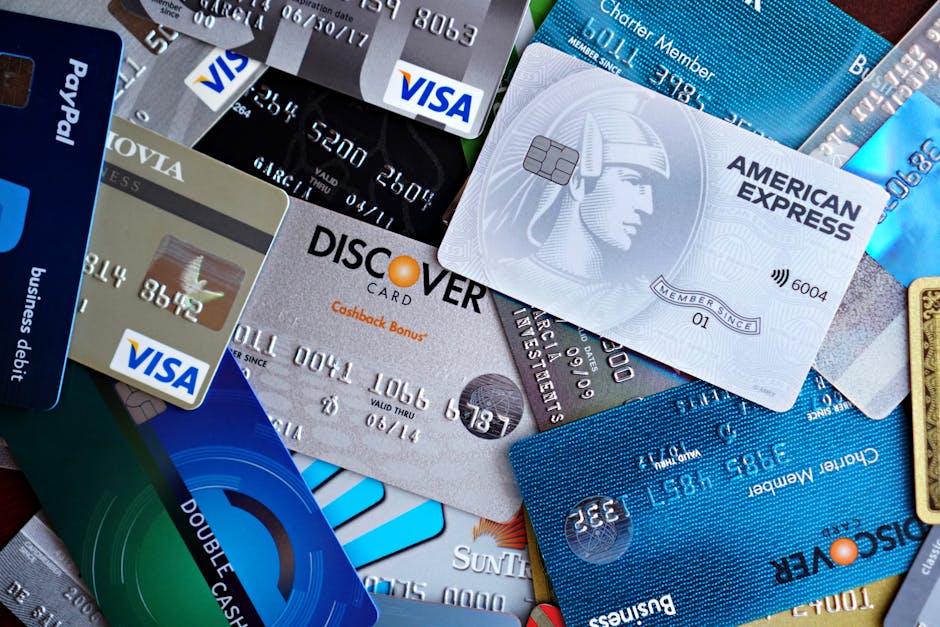
Most of the stuff you read online about credit card comparison in India is written by people who have never actually tried to redeem a single reward point. They just want you to click their affiliate link so they can buy another espresso. It drives me nuts. I’ve spent the last six years cycling through about eleven different cards—everything from the basic ICICI Platinum to the supposedly ‘god-tier’ HDFC Infinia—and the reality is way messier than those neat little comparison tables suggest.
The ‘Premium’ lie we all bought into
We’ve been conditioned to think that if a card is metal or has ‘Magnus’ or ‘Reserve’ written on it, we’ve somehow made it. It’s a trap. I remember standing at a Shell petrol pump in Koramangala back in 2019, trying to look cool with my brand new ‘premium’ card, only to have it declined three times because of some ‘backend server migration’ the bank didn’t bother to tell anyone about. I had to dig through my glove box for 500-rupee notes like a college student. I felt like a total idiot. The cashier just stared at me. That was the moment I realized that high fees don’t actually buy you better tech; they just buy you a prettier piece of plastic.
What I mean is—actually, let me put it differently. We spend so much time comparing 3.3% reward rates versus 4% reward rates that we ignore the fact that the bank can (and will) change the rules whenever they feel like it. Look at what happened with the Axis Magnus. One day it was the darling of the internet, and the next, they gutted the benefits so hard it felt like a personal insult. I know people who spent lakhs just to hit milestones, only to find the goalposts had been moved 50 yards back overnight. It’s a glorified coupon book, not a financial strategy.
The best credit card isn’t the one with the highest rewards; it’s the one that doesn’t make you spend 40 minutes on a customer service call to dispute a 199-rupee ‘convenience fee.’
I spent 14 months tracking 1% margins
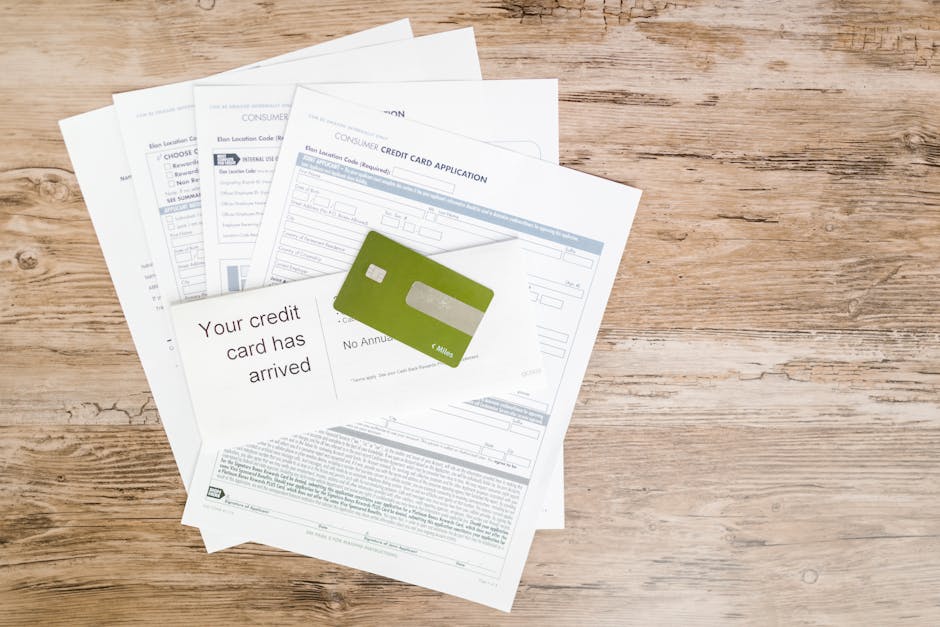
I used to be one of those people with a spreadsheet. I tracked 142 separate transactions over a period of 6 months across four different cards to see if the ‘5% cashback’ on the SBI CashBack card actually resulted in 5% back in my pocket. You know what the real number was? 4.12%. Once you factor in the GST on the annual fee, the exclusions for utility bills, and the weird way they round down points, you’re never getting what’s on the brochure.
Anyway, I once spent three hours trying to optimize a flight booking to London using Amex points, only to realize I could have saved more money by just booking a budget carrier during a random Tuesday sale. I got so caught up in the ‘game’ that I forgot the goal was to save money, not to collect digital stickers. But I digress. The point is, if you’re comparing cards based on a 0.5% difference, you’re probably losing money elsewhere through sheer mental exhaustion.
The card I’ll never touch (and my petty reason)
I refuse to recommend the Amazon Pay ICICI card. I know, I know—it’s the ‘rational’ choice for almost everyone in India. It’s lifetime free, the cashback is seamless, and the integration is perfect. I don’t care. I hate it because the orange bird logo looks like a cheap sticker from a 90s school notebook, and the ICICI mobile app is the digital equivalent of a root canal. It’s cluttered, it’s ugly, and it asks me to ‘invest in a ULIP’ every time I try to pay my bill. I’ve bought the same overpriced coffee four times a week with a card that gives me zero rewards just because the app interface is cleaner. I know that’s irrational. I don’t care.
I used to think that ‘fuel cards’ were a smart move. I was completely wrong. Unless you are literally driving a truck across state lines, the math never adds up. You pay a joining fee, you pay an annual fee, and then you find out the ‘surcharge waiver’ only applies if you spend between 400 and 4000 rupees. If you spend 4001? You’re screwed. It’s a scam for the middle class.
- HDFC Infinia/Regalia: Great if you spend 10 Lakh+ a year, otherwise you’re just paying for someone else’s lounge access.
- SBI Cashback: The only card that actually feels honest, even if the app looks like it was designed in 2004.
- Amex: Primarily for people who like the sound the card makes when it hits the table. The service is great, but good luck finding a local kirana store that accepts it.
- Axis: Currently in the ‘dog house’ for me after the devaluation spree.
Why your comparison spreadsheet is actually useless
The problem with most Indian credit card comparisons is that they assume you are a robot. They assume you will always spend exactly 25,000 on groceries, 10,000 on dining, and 5,000 on movies. Real life doesn’t work like that. One month your car breaks down. The next month you have three weddings to attend and you’re buying gold jewelry you can’t afford. A card that is ‘best’ for a static lifestyle is usually ‘worst’ for a real one.
I might be wrong about this, but I think the ‘lounge access’ obsession in India has peaked. Have you been to a lounge in Delhi or Bangalore lately? It’s basically a crowded bus station with free lukewarm dal. People are literally fighting over plastic chairs. If you are choosing a credit card based on lounge access in 2024, you are buying into a dream that died three years ago. It’s not a luxury perk anymore; it’s a survival test.
I’ve reached a point where I value simplicity over ‘optimization.’ I’ve cut my wallet down to just two cards. One for everything online, and one ‘old reliable’ for everything else. I stopped checking the ‘reward catalog’ because it’s always filled with overpriced vacuum cleaners and suitcases nobody wants.
Is it worth the effort? Honestly, I don’t know anymore. I look at the hours I’ve spent comparing ‘milestone benefits’ and realize I could have probably learned a new language or finally fixed that leaky faucet in the bathroom. We chase these points because it makes us feel like we’re winning a game against a giant corporation, but the house always wins in the end.
Pick one card that doesn’t annoy you. Pay it off every month. Stop reading the forums.