

February is short, but your freelance money still needs a full accounting. The cleanest system tracks three numbers separately: what you earned, what clients paid, and what you can spend after taxes and business costs.
Use cash received to manage your month, invoices issued to chase unpaid work, and profit to plan taxes. Blend those numbers together and a $2,400 February can look like either a financial win or a disaster. Keep them separate and the picture becomes useful.
Why February Freelance Cash Looks Smaller Than It Is
The verdict: February cash is not a fair measure of February work. The month has 28 days in a normal year, compared with 31 in January, March, May, July, August, October, and December. That removes three or four possible billing days before you even account for weekends, client delays, bank holidays, or a project that crossed into March.
Earned income and received cash are different numbers
Suppose you finish a $900 design project on February 27 and send the invoice that day. You earned the money in February. If the client pays on March 5, you received the cash in March. Both statements are true, and each answers a different question.
For tax records and business performance, log the invoice date, service period, invoice amount, and payment date. For personal spending, use the payment date. Do not buy groceries with money that exists only on an unpaid invoice.
Short months create timing traps
A freelancer who normally bills $3,000 per month might invoice $2,100 in February because one weekly client call disappeared and a new project started late. That does not prove the side hustle failed. It may show that February carried fewer working days or that $1,200 moved into March.
Compare February with a three-month average instead of January alone. Mark each amount as received, invoiced, overdue, or expected. The useful question is not “Why did I make less?” It is “Which money moved later, and which work actually disappeared?”
How to Separate Work Done From Money Paid

The best method is a three-date rule. Give every freelance payment three dates: when you did the work, when you billed it, and when the money reached your account. That single habit stops most short-month confusion.
Use these five tracking steps
- Record the service date. Enter the date or date range when you completed the work. A project delivered from February 10 to February 18 belongs in your February work record.
- Record the invoice date. Note when you requested payment. This shows how quickly you bill after finishing a job.
- Record the due date. A February 28 due date is not the same as a February 28 payment. Keep overdue money visible.
- Record the payment date. This controls your cash view. If the deposit lands on March 3, it belongs in March cash received.
- Record the usable amount. Subtract payment fees, refunds, and any amount reserved for taxes before calling the money spendable.
Close February with one short review
On the last day of the month, total cash received, open invoices, overdue invoices, business expenses, and your tax reserve. Then compare the result with your January and three-month averages.
Do not rewrite old numbers to make the month look smoother. If a client paid late, label it late. If an expense hit your card in February but the card payment happens in March, record the expense in February and the bank payment in March. Clear labels beat false neatness.
Which February Income Tracker Should You Use?
Google Sheets is the best starting choice for most small side hustles. It costs nothing, lets you create separate columns for work date and payment date, and makes the cash-versus-invoiced split easy to see. Paid software earns its cost only when it removes work you will actually do every month.
Compare the practical options
| Tool | Listed US price | Best use | Main weakness |
|---|---|---|---|
| Google Sheets | $0 with a Google account | Simple tracking with custom columns and formulas | Requires manual entry and reconciliation |
| Wave Pro | $19/month or $190/year | Invoices, bank imports, receipts, and basic cash flow | Payment processing can add transaction fees |
| QuickBooks Solopreneur | $20/month list price | One-person businesses that want income, expenses, and tax categories together | Too expensive for occasional, low-volume work |
| YNAB | $14.99/month or $109/year | Assigning received cash to bills, savings, and tax reserves | Not a replacement for invoice or bookkeeping records |
Pick the tool that matches the problem
Choose Google Sheets if you send fewer than five invoices a month and can reconcile your bank account in 20 minutes. Choose Wave Pro if unpaid invoices and receipt storage are the problem. Choose QuickBooks Solopreneur if you need stronger bookkeeping categories and tax-ready records. Choose YNAB only for household cash planning; it should sit beside your income log, not replace it.
These listed prices can change, and taxes or promotional offers may apply. The clear winner for a new freelancer remains Google Sheets because the system matters more than the software.
February Tracking Mistakes That Distort Your Cash

Most bad February reports come from timing errors, not low income. Fix the labels before you blame the side hustle.
Stop making these five errors
- Counting invoices as cash. An invoice is a claim on money, not money in your account. Keep an accounts-receivable total beside your cash total.
- Using gross deposits as spendable income. A $1,000 client payment may need a 25% tax reserve, a 3% processing fee, and $80 of project costs. The usable amount is much lower.
- Ignoring payment fees. Record the full invoice, the fee, and the net deposit. Otherwise your books will not match your bank statement.
- Mixing personal transfers with freelance income. Moving $300 from savings into checking is not side-hustle revenue. Label transfers clearly.
- Comparing February with one unusually strong month. A January rush or December bonus project can make normal work look weak. Use a rolling three-month average.
Know when the tracker is telling you to change the business
Some problems are timing problems. Others are real. If your three-month average of earned income falls while your hours stay flat, your rate, client mix, or offer needs attention. If earned income stays strong but cash arrives late, tighten payment terms and follow up earlier.
Do not solve a collection problem by buying a more expensive app. Do not solve a pricing problem by cutting every expense. First identify the failure: missing work, slow payment, low rates, high costs, or weak cash planning. The fix depends on the label, not the emotion.
Which Setup Wins for a Small Side Hustle?
My recommendation is simple: start with Google Sheets, add Wave when invoicing becomes painful, and use YNAB only for household cash planning. QuickBooks Solopreneur is the better paid choice for a freelancer with steady monthly work and a serious tax-record habit.
Do I need accounting software for two or three clients?
No. A sheet with columns for client, service dates, invoice number, gross amount, fee, payment date, tax reserve, and status is enough. Reconcile it to your bank account once a week. Paying $19 or $20 every month will not create discipline that you refuse to practice for free.
When does Wave Pro become the right choice?
Wave Pro wins when invoices, receipts, and bank imports take more time than the subscription costs. It is the best fit for a freelancer who sends regular invoices and wants one place to flag overdue payments. It is not the best choice for someone who only earns a few hundred dollars every few months.
When should I choose QuickBooks Solopreneur?
Choose QuickBooks Solopreneur when you have repeat clients, regular expenses, and a tax preparer who wants cleaner categories. Its $20 list price makes sense when it prevents several hours of monthly sorting. It does not make sense as a badge of professionalism; a well-kept spreadsheet beats unused software.
What To Do When February Ends
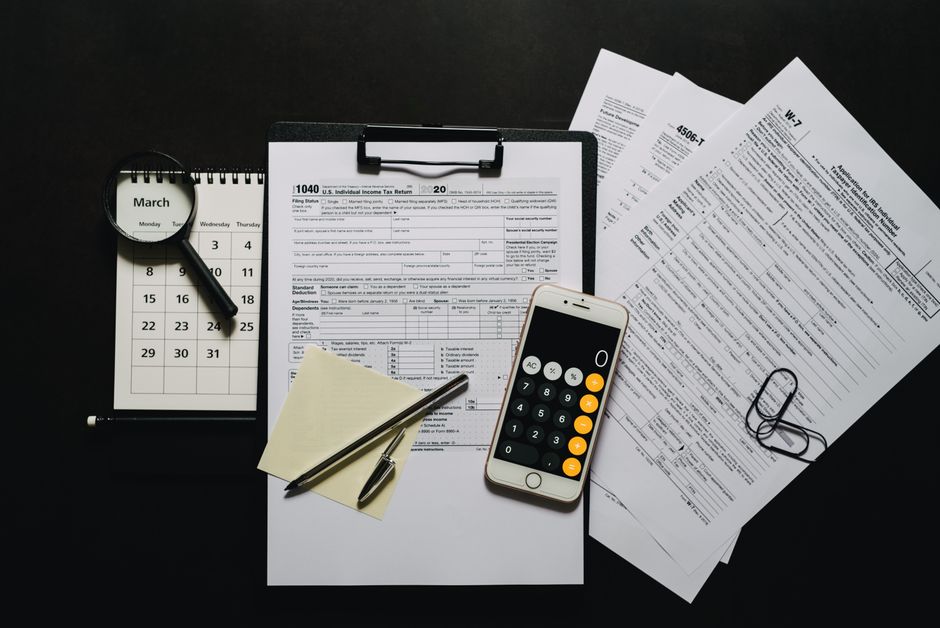
Make the short month visible
On March 1, freeze the February totals: cash received, work completed, invoices still open, overdue balances, expenses, and tax reserve, then write one sentence explaining the gap between February’s earned income and deposited cash, because “$900 invoiced but unpaid” tells you far more than “February was slow.”
Carry the right number into March
Start March with the cash that actually cleared, the invoices that still need collection, and the reserve you cannot spend, so the freelancer who opened February worried about a thin month can close it with a precise answer: what was earned, what was paid, what is owed, and what belongs safely in the bank.
Rates, terms, and eligibility requirements are subject to change. Always compare multiple lenders and consult a licensed financial advisor before borrowing.