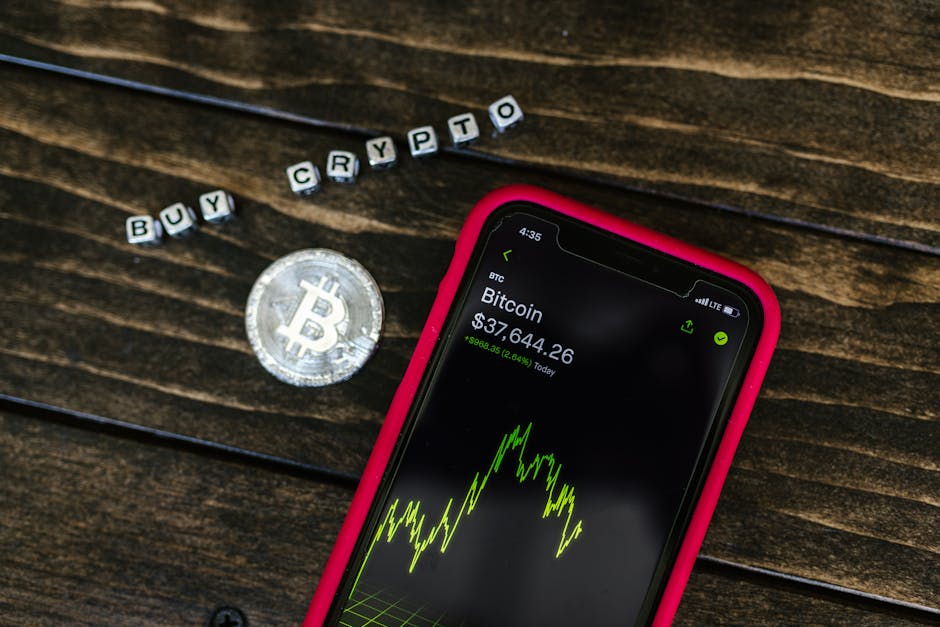
You finally funded your brokerage account. You bought your first shares of an index fund. Then the market dropped 4% in a week, and your $2,000 turned into $1,920. Your stomach dropped harder than the S&P 500. I know the feeling because I lived it, and I made every mistake you’re about to make.
The Day I Panic-Sold and Lost $300 for No Reason
April 14th. I remember the date because I lost money I didn’t have to lose. The Nasdaq fell 2.8% on inflation fears. I had $11,000 in Vanguard’s S&P 500 ETF (VOO) and I sold $4,000 of it at 3:47 PM, convinced a crash was coming.
The market recovered in 11 days.
I bought back in at a higher price. That panic cost me roughly $300 in missed gains and transaction friction. The S&P 500 has averaged a 10% annual return for decades, but it also experiences a 5% or greater drawdown about three times per year. I wasn’t prepared for that rhythm.
What a “Normal” Correction Actually Looks Like
Here’s the data I wish I’d studied before I started. Since 1950, the S&P 500 has experienced 37 corrections of at least 10%. The average one lasted 4 months. Two-thirds of them recovered within a year. A 5% dip? That happens roughly every 60 days. These aren’t red flags — they’re the cost of admission.
Why Your Brain Fights You During Dips
Your amygdala registers a 10% portfolio drop the same way it registers a snake on the trail. That fear response is chemical, not logical. The only antidote is a written plan you create before the drop happens. I didn’t have one. You should.
How I Built a Portfolio That Let Me Sleep at Night

My original portfolio was 100% stocks. That was stupid for someone who checks their balance daily. I’ve since moved to a 70/30 split between equities and bonds, and the difference in my stress levels is night and day.
| Asset | Fund | Expense Ratio | 2026 Return | Max Drawdown |
|---|---|---|---|---|
| US Stocks (70%) | Vanguard S&P 500 ETF (VOO) | 0.03% | +13.2% | -8.4% |
| US Stocks (alternative) | Fidelity Zero Total Market Index Fund (FZROX) | 0.00% | +12.8% | -8.9% |
| Bonds (30%) | iShares Core U.S. Aggregate Bond ETF (AGG) | 0.03% | +4.1% | -1.2% |
That bond allocation doesn’t just reduce drawdowns. It gives me dry powder to rebalance when stocks drop. When the market fell 6% in October, I sold some AGG and bought VOO at a discount. That’s the only “smart” move I made all year.
The 3% Rule That Stopped Me From Checking My Phone 40 Times a Day
I had a problem. I was checking my Robinhood app during meetings, while driving, and once at 2 AM. The solution wasn’t willpower — it was a rule.
I now only rebalance when any single asset class moves more than 3% from its target allocation. That’s it. I check my portfolio on the first of every month, and only then. This single change reduced my anxiety more than any diversification strategy could.
Here’s what I learned: volatility is not risk. Risk is the chance you permanently lose capital. Volatility is just price movement. If you own a broad index fund, a 20% drop is a sale, not a loss — unless you sell.
The math backs this up. If you invested $10,000 in the S&P 500 at the peak of every single year since 1980, you’d still have a positive return over any 5-year holding period. Volatility only hurts you if you let it force you out of the market.
Why Dollar-Cost Averaging Beat My Lump Sum Experiment
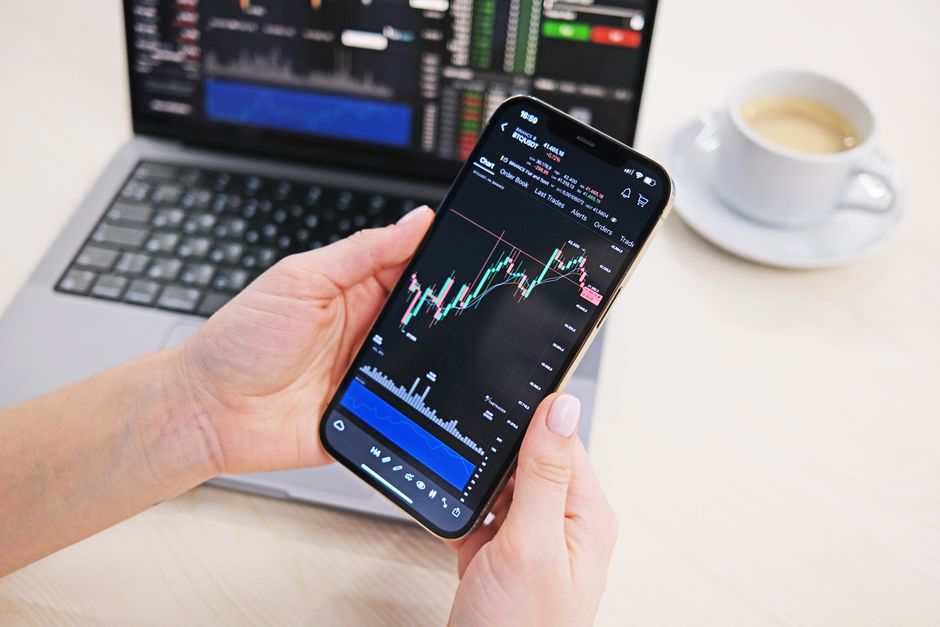
I started with $15,000. I put $10,000 in as a lump sum and spread the remaining $5,000 over 5 months. The lump sum won by 2.1% because the market generally trends upward. But here’s the catch: I couldn’t have handled the psychological weight of a full $15,000 lump sum drop.
Dollar-cost averaging isn’t mathematically optimal. It’s psychologically necessary for beginners. The discipline of investing $500 every two weeks, regardless of what the market did that day, built a habit that matters more than the 2% I left on the table.
Automation Is the Only Way to Stay Consistent
I set up automatic transfers from my checking account to my Charles Schwab brokerage every payday. I never see the money hit my spending account. This removed the decision-making process entirely, which is exactly what I needed when the market was down and my brain was screaming at me to stop.
The Volatility Tax Nobody Talks About
Churning your portfolio has a hidden cost. I made 14 trades in my first 6 months. Each one averaged $7 in fees and spreads. That’s $98 gone. But the real cost was the 4 times I sold low and bought back high, locking in losses that totaled $1,100.
Every trade you make is a chance to be wrong twice — once when you sell and once when you buy back. The best investors I know make fewer than 5 trades per year. I’m now targeting that number.
The Vanguard S&P 500 ETF (VOO) is my core holding. If you want a single fund that does the job, buy that. It costs $0.03 per $100 invested annually. That’s $3 per $10,000. It’s impossible to find a cheaper way to own 500 of America’s largest companies.
What I Wish Someone Had Told Me Before I Started
If I could go back to day one, here’s the list I’d hand myself:
- Write your rebalancing rules down before you buy anything. Don’t decide during a crash.
- Keep 6 months of expenses in a high-yield savings account. I had 2 months, and it made every dip feel existential.
- Don’t check your portfolio more than once a week. Seriously. Nothing good comes from hourly updates.
- Expect a 10% drop in your first year. It’s not a matter of if, but when. Plan for it emotionally now.
- Buy the whole market, not individual stocks. I bought 3 individual stocks. Two underperformed the index. The third, I sold at a loss out of boredom.
That last point matters. Individual stock picking is a hobby, not an investment strategy. Unless you have a genuine edge — insider knowledge, industry expertise — you’re gambling. The house always wins over time.
Why I’m Actually Grateful for the Volatility
I wouldn’t have learned what I know about myself without those gut-wrenching drops. A 12% market decline in August taught me that my real risk tolerance is much lower than the 80/20 portfolio I was pretending to be comfortable with. That self-knowledge is worth more than the $300 I lost panic-selling.
Volatility is the tuition you pay for learning how markets actually work. The lessons don’t stick when the market goes up 20% in a straight line. They stick when you watch your portfolio drop 8% and you don’t sell, because you finally understand that the drop is temporary and the recovery is statistically inevitable.
My portfolio is up 7.4% this year, which is fine. But the real return is that I no longer wake up at 3 AM to check if the futures market is red. That peace of mind is worth more than any percentage point.
Here’s the single most important thing I learned: The market will always test you, but your plan — not your predictions — is what gets you through.
Disclaimer: The information on this page is for educational purposes only and does not constitute financial advice. Rates, terms, and eligibility requirements are subject to change. Always compare multiple lenders and consult a licensed financial advisor before borrowing.